Many organisations focus on daily operations, productivity and growth, but one area that should never be overlooked is workplace safety and compliance. Ensuring employees receive the right training is not only a legal responsibility for employers, it is also essential for creating a safe and prepared working environment.
Training helps businesses manage risk, respond effectively to incidents and demonstrate that reasonable steps have been taken to protect staff and visitors.
Why Workplace Compliance Matters
Health and safety legislation in the UK requires employers to take appropriate measures to reduce risk and protect people in the workplace. This includes providing suitable training and ensuring that employees understand how to respond in emergency situations.
Compliance is not simply about meeting legal obligations. Well-trained staff contribute to a safer workplace, respond more confidently in emergencies and help prevent incidents from escalating.
Businesses that take training seriously often see improved confidence, clearer procedures and stronger workplace safety culture.
The Importance of First Aid Training
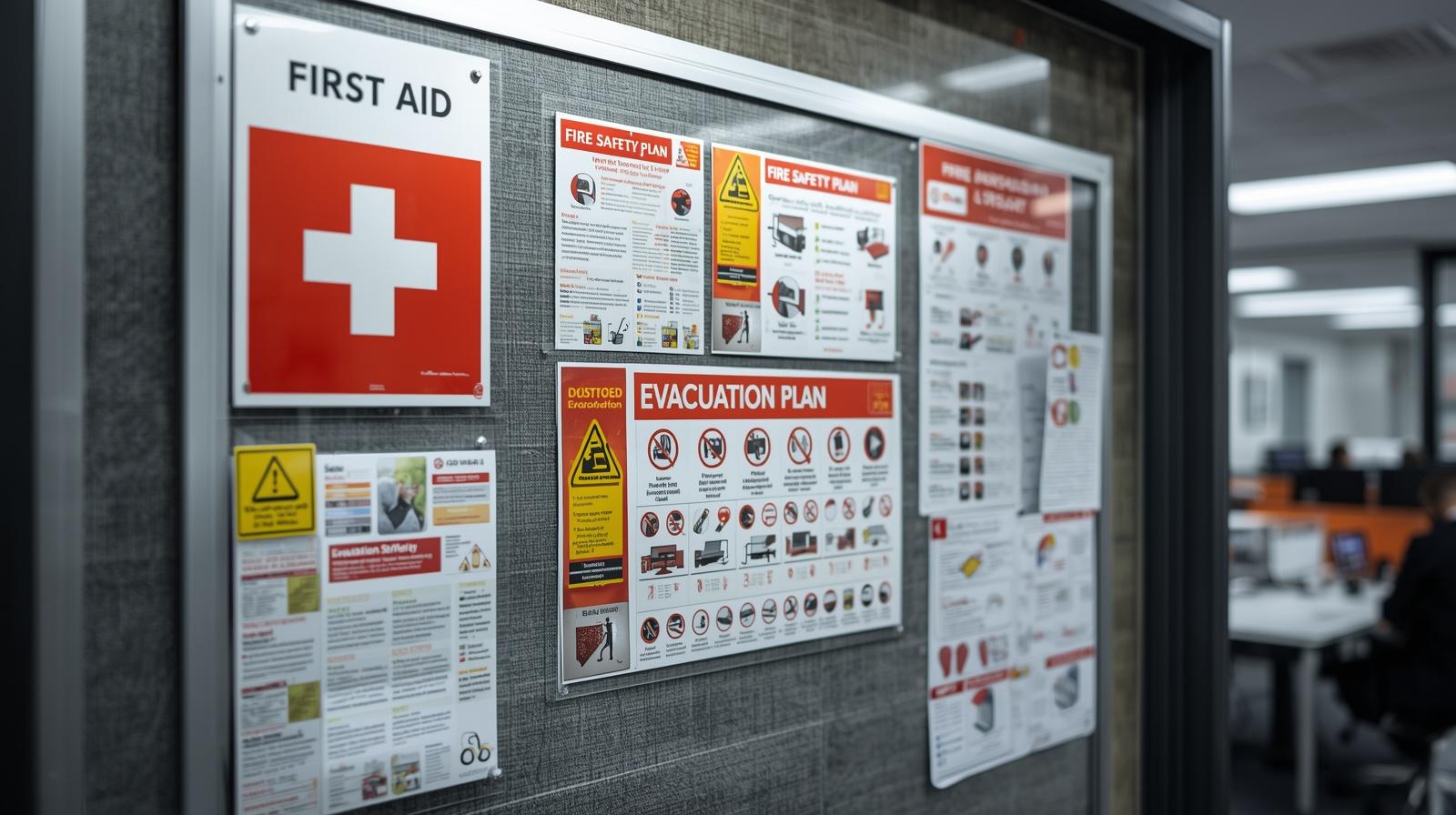
One of the most important areas of workplace compliance is first aid provision. The Health and Safety (First Aid) Regulations require employers to ensure that employees receive immediate attention if they are injured or become ill at work.
The number of trained first aiders needed will depend on factors such as workplace size, number of employees and the level of risk involved in the work being carried out.
First aid training equips staff with the knowledge and confidence to respond quickly while waiting for professional medical assistance. Skills such as CPR, dealing with choking, managing bleeding and placing someone in the recovery position can make a significant difference in those crucial early moments.
Fire Marshal and Fire Safety Responsibilities
Fire safety is another key area where training plays an essential role. Employers must ensure appropriate fire safety measures are in place, including evacuation procedures and staff awareness.
Fire marshal training helps designated individuals understand their responsibilities during an emergency. This includes supporting evacuation procedures, checking areas during an alarm and helping ensure that fire safety procedures are followed.
Having trained fire marshals in the workplace helps organisations manage fire risks more effectively and ensures staff understand what to do if an incident occurs.
Other Important Workplace Training
Depending on the nature of the business, additional training may also be required to support workplace safety and compliance.
This can include areas such as conflict management, security awareness, physical intervention training or specialist safety procedures relevant to specific industries.
Regular refresher training is also important. Skills and procedures can fade over time, so keeping training current helps ensure employees remain confident and prepared.
Training as Part of a Safety Culture
Compliance training should not be viewed as a one-off task. Instead, it forms part of a broader workplace safety culture where employees understand risks, communicate effectively and know how to respond in unexpected situations.
Organisations that prioritise training often experience fewer incidents, clearer communication and greater confidence among staff.
Staying Prepared
Workplace compliance is ultimately about preparation. By ensuring staff receive the right training, businesses can reduce risk, meet legal responsibilities and create safer environments for everyone involved.
When employees are properly trained, they are better equipped to respond calmly and effectively if something goes wrong.